
How to extend the life of your furniture
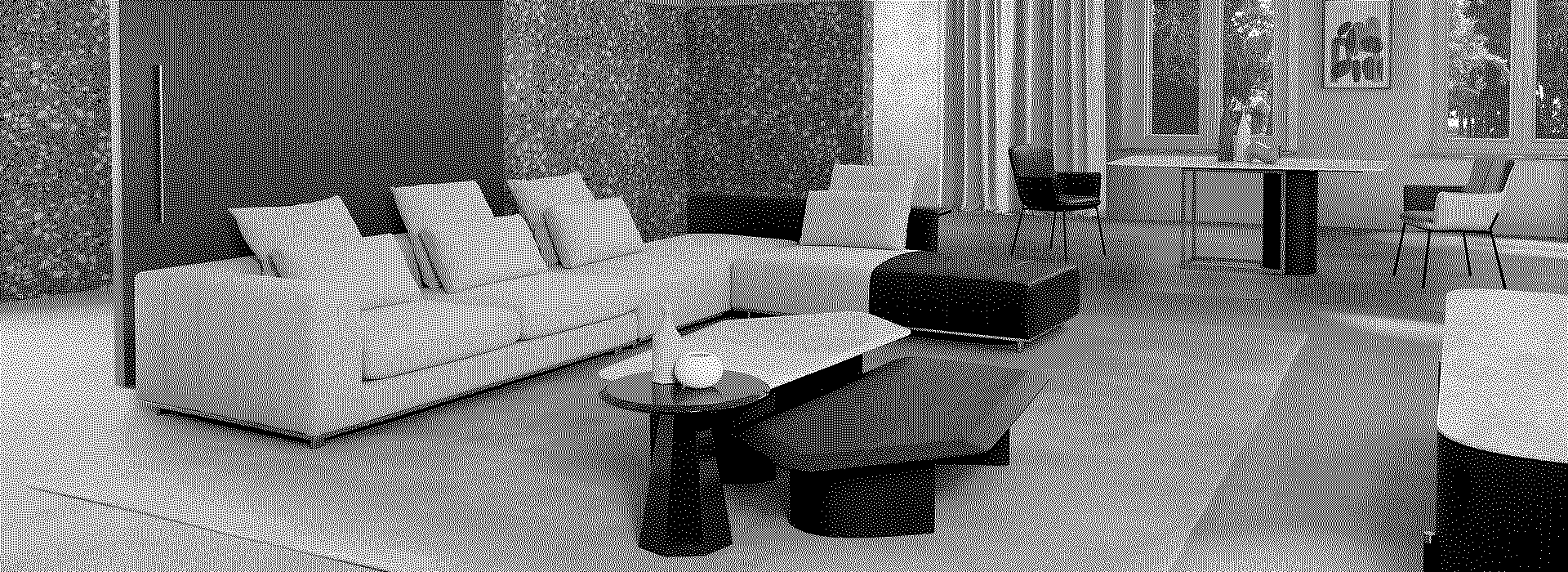
Furniture and appliances are the big-ticket items in a home, and most people expect them to last. Furniture in particular gets replaced far less often than electronics. But a sofa or a table that could last five years may be done in three if it is treated badly, and a well-kept piece can easily gain a few extra years. Good care mostly comes down to not making the mistakes below.
Don't wipe furniture with coarse cloth or old clothes
Coarse fibers scratch, and old clothing has seams and buttons that scratch even more. Use something soft and absorbent: cotton, a towel, flannel or a microfiber cloth.
Don't spray wax on leather
Furniture wax and polish sprays are for wood surfaces only. On leather they clog the pores, and over time the leather stiffens and ages early. Applying wax products too heavily, or the wrong way, can also leave a hazy, blotchy film on a wood surface instead of a shine.
Don't clean with soapy water or dish detergent
These are mildly corrosive. They dull the finish, and if water soaks into the wood it can cause mold or local warping, which shortens the life of the piece.
Keep furniture out of direct sun and damp spots
Strong sun damages the finish. Heat makes the lacquer break down and the color shift, and over time joints loosen, surfaces crack and any formaldehyde in the materials off-gasses faster. Too much humidity brings the opposite problem: insects, mold and rot.
Keep hot and harsh things off tabletops
High-proof alcohol, paint thinner and pots or kettles straight off the stove will all damage a finish. Use trivets and coasters.
Don't wash plywood furniture with water
Never soak plywood or veneered pieces, and never use alkaline solutions on them. The glue lets go and the layers separate.
Don't patch cracks with a mismatched filler
If you fill a crack with putty tinted to a color that does not match the original finish, you get a permanent scar. Match the color first, or have it done professionally.
Don't dry-dust
Household dust is made of fibers, sand and silica. Rubbing it around with a dry cloth works like fine sandpaper on the finish. The scratches are too small to see at first, but after months of dusting the surface turns dull and rough. Use a slightly damp soft cloth, then dry.