
Furniture buying tips from experience
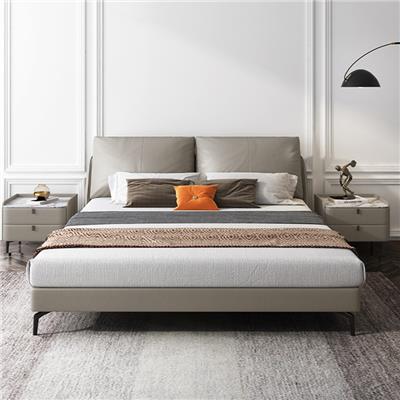
Once the renovation is done, the next job is choosing furniture that is well made and safe to live with. Here are four things we tell customers to think about before they buy.
1. Buy from a store you can trust
Choose a retailer with a good reputation and look closely at the quality of the goods before you commit. That alone cuts the risk of ending up with a poor piece. Some problems, such as those caused by humidity or other natural factors, can never be ruled out completely, so buy from a store that stands behind its products with after-sales service. If something does go wrong, you want a repair rather than an argument. We like to think Bosheng is a good choice here.
2. Match the materials to the job
Different pieces need different materials, and the surface is not the whole story. Legs on tables, chairs and cabinets should be a hard, dense wood so they can carry weight, while the interior parts can be made from other materials. Cabinets for the kitchen or bathroom should not be built from fiberboard, which swells and breaks down when it gets wet; plywood holds up far better. A dining table should be able to take regular wiping down with water.
3. Set a realistic budget
Everyone's income, taste and stage of life is different, so buy what suits your situation. In terms of construction and material there is ordinary solid wood, much more expensive fine hardwood, veneered furniture, modular furniture and more, and prices can differ between them by anywhere from two to ten times. Decide based on what you can afford, what you like, and how many years you expect the piece to last.
4. Think about how it fits the room
Consider how the furniture will sit with the rest of the interior. As a general rule, white furniture looks great but tends to yellow over time, black shows dust and fades toward grey, and darker rosewood-style tones hold their color best.
Those are the basics. If you are shopping for furniture, we would be glad to help you find something that fits.