
Formaldehyde in furniture, without the panic
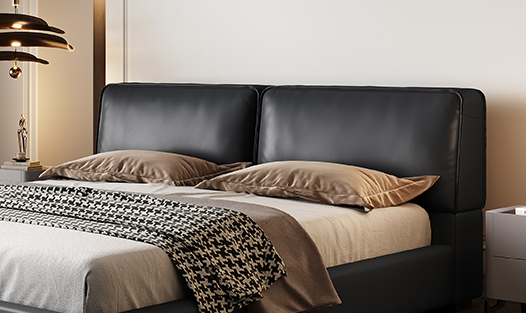
As people pay more attention to indoor air quality, formaldehyde has gone from an obscure chemical name to something many homeowners dread. Newly renovated homes and new furniture in particular get labeled as formaldehyde hot spots, and for some people that has turned into real anxiety.
Formaldehyde is a genuine health hazard with long-term exposure. But it does not deserve panic. Understanding where it comes from and how to handle it is what protects your health.
1. What formaldehyde actually is
Formaldehyde is a colorless gas with a sharp smell. It occurs widely in nature, and the human body produces trace amounts of it. Industry uses it in building materials, furniture and textiles, mainly as a binder, preservative and anti-wrinkle agent.
2. Where it comes from in furniture, and how it is released
In furniture, formaldehyde comes mostly from engineered wood panels, adhesives and finishes. Engineered panels are the biggest source, because they are made with large amounts of adhesive, and those adhesives typically contain formaldehyde.
Release is slow and depends on temperature, humidity and ventilation. New furniture gives off the most, and the amount falls steadily over time.
3. What actually helps
There is no need to panic, but there is no reason to ignore it either. These steps make a real difference.
- Choose low-emission furniture: Buy pieces certified to a recognized low-emission standard and ask for the test reports. In the US and Canada, look for CARB Phase 2 or TSCA Title VI compliance on engineered wood. Solid wood and low-emission panel products are the safer choices.
- Ventilate: After new furniture arrives, keep air moving through the home to speed up off-gassing. Open windows and use fans or exhaust fans.
- Use an air purifier: A good purifier removes formaldehyde and other pollutants. Check its formaldehyde removal rate and the room size it is rated for.
- Add houseplants: Spider plants, pothos and snake plants absorb a modest amount of formaldehyde. They are a useful supplement, not a solution on their own.
- Professional remediation: If testing shows levels well above the safe range, hire an indoor air quality specialist.
4. Three common myths
- Myth 1: If it smells, formaldehyde is too high. Formaldehyde does have a sharp odor, but smell alone cannot tell you the level. Some woods have their own natural scent that gets mistaken for it.
- Myth 2: It can be removed completely. Release goes on for years, and it cannot be brought to zero. The goal is to keep the concentration within a safe range.
- Myth 3: Older homes have none. An older home with new furniture has a new source.
5. In short
Formaldehyde is not the problem; not knowing about it, or panicking about it, is. Understand it, take sensible precautions, and you can keep your home safe and comfortable.