
Features of simplified European furniture
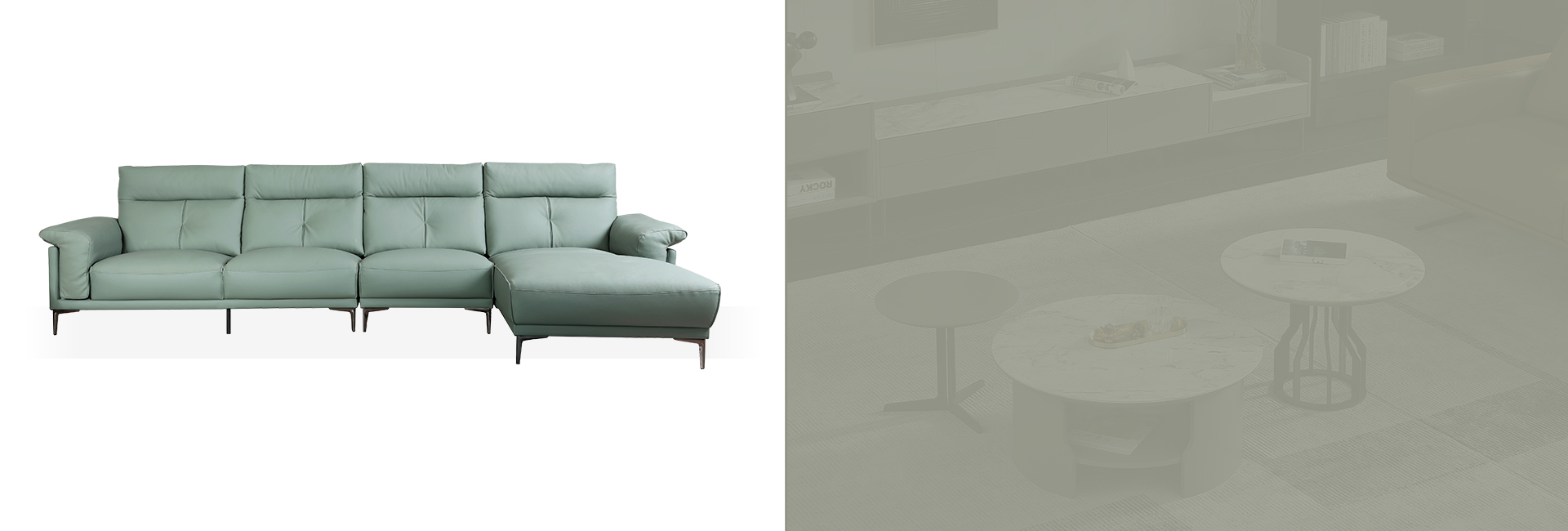
European furniture first won people over with its rich, ornate luxury. As tastes and homes changed, a simplified European style developed, and today it is the more popular of the two. So what separates simplified European from classic European furniture, and what are its main features?
Feature 1: Detail-focused, simplified but not simple
Traditional European furniture is carved and finished to a very high degree; Rococo, which took hold from the Renaissance onward, pushed that ornamentation to its limit. Over time, all that decoration got in the way of everyday use, and the simplified style gradually took its place. Simplified European furniture still cares about detail. Many of the elaborate patterns have been pared back, but the workmanship behind each piece is no less demanding.
Feature 2: Comfort and ease
Beds: Soft upholstered beds are the usual choice, giving the bedroom a warm, romantic feel (and, fair warning, making it harder to get up in the morning).
Wardrobes: As large as their classic counterparts, but with cleaner lines and far less carved ornament.
Accessories: A simple but well-made lamp on the nightstand, family photos on the dresser, fresh flowers, throw pillows scattered on a warm rug, curtains in natural colors. All of these add a lot to the look.
Feature 3: Depth and variety
Simplified European pieces are designed with a strong sense of relief. Surfaces have subtle raised and recessed details, so that when the room is put together there is a layered quality to the shapes and a continuity from one piece to the next.
Because comfort is a priority, these pieces tend to be large. They suit bigger rooms; in a small space they will make the room feel cramped and crowded.
This style grew out of classic European furniture and absorbed modern design along the way, which is why it fits today's homes so well. If you like the European look but not the fuss, simplified European furniture is worth a serious look.